Optimize your filtration system with versatile and convenient filters from Minimac Systems.
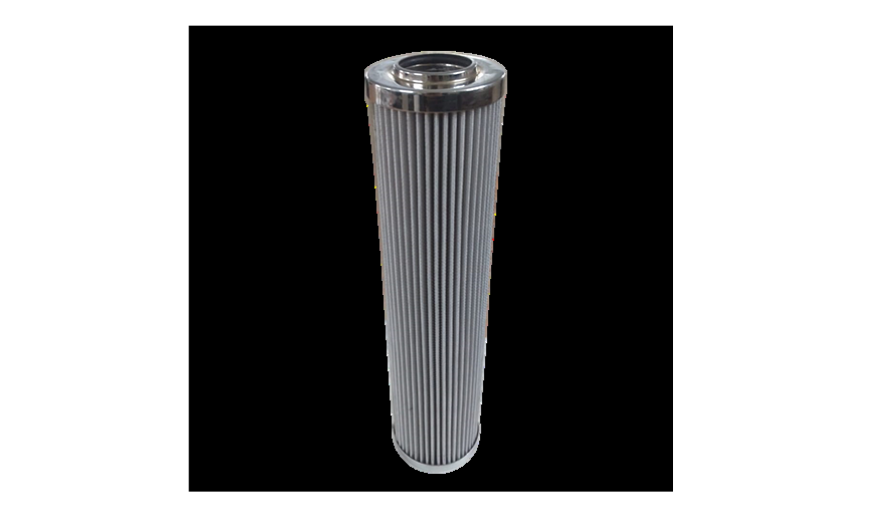
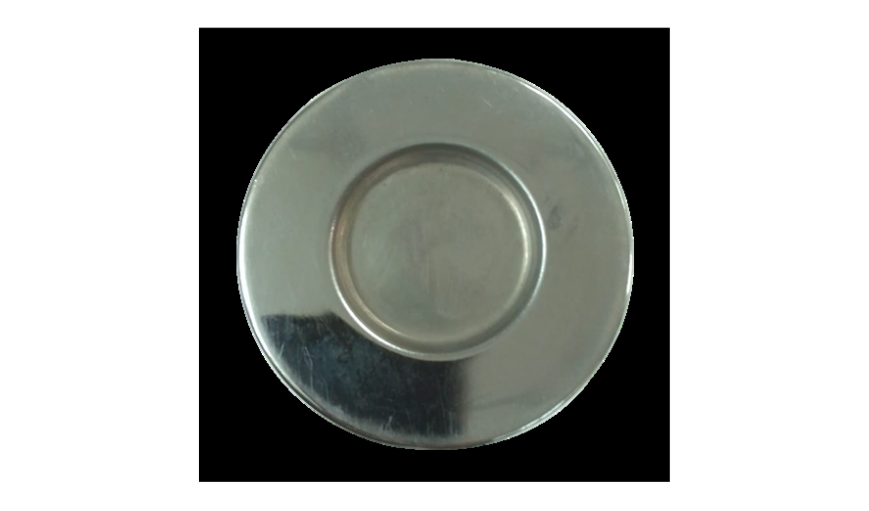
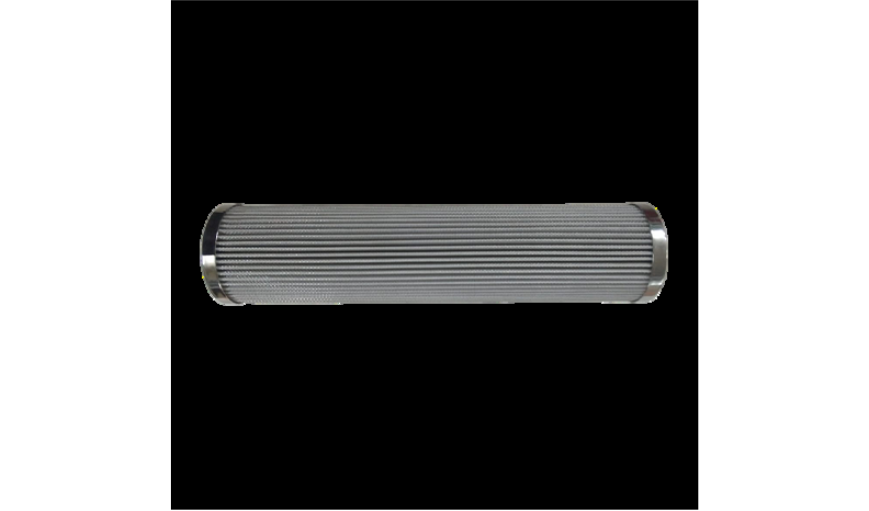
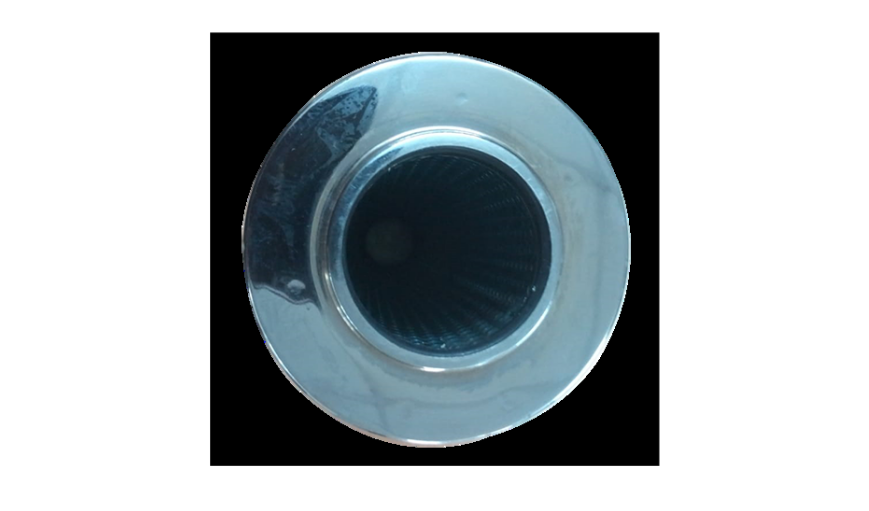
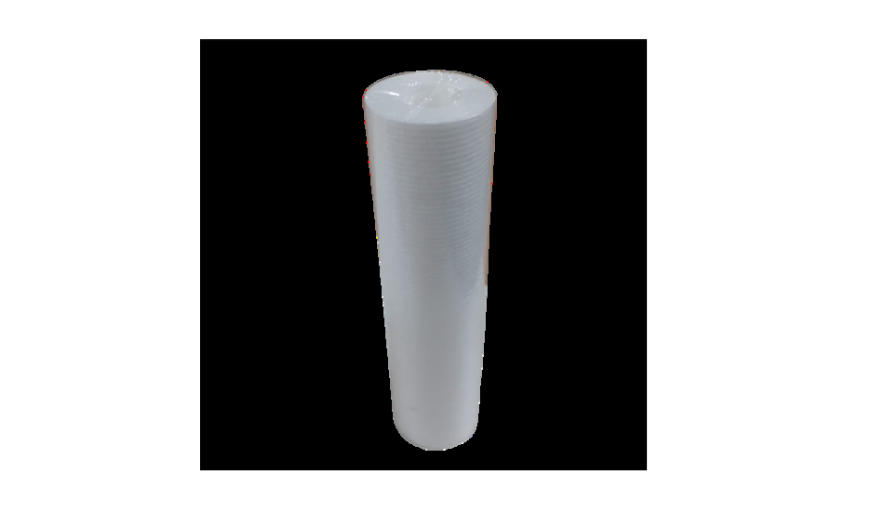
In modern industrial operations, filtration performance directly determines machinery reliability, operating efficiency, and lifecycle costs. Industrial Filter Elements are essential components that remove contaminants such as particles, oxidation residues, sludge, and moisture from lubricants and hydraulic fluids. Contrary to a common misconception, filter cartridges are not exclusive to original equipment manufacturers. Most filter models worldwide are built on standardized dimensions, materials, and performance parameters, making high-quality replacement filters a practical and reliable alternative.
These industrial filter elements are developed through extensive global analysis of thousands of filter designs across industries. Their compatibility, precision engineering, and rigorous testing ensure dependable interchangeability with existing systems while maintaining high filtration efficiency. For industries operating across the world, where uptime and performance are critical, dependable filtration solutions are essential for maintaining operational continuity.
Contamination is one of the leading causes of equipment wear and failure. Even microscopic particles can cause abrasive damage to bearings, pumps, and valves, reducing efficiency and increasing maintenance frequency. Reliable industrial filter elements protect systems by maintaining fluid cleanliness levels within required standards.
Organizations that prioritize advanced filtration benefit from:
 Reduced machinery wear and failure rates
Improved system efficiency and productivity
Extended oil life and reduced waste
Lower maintenance costs
Enhanced operational safety
In sectors where equipment downtime results in significant financial loss, investing in high-performance filter element solutions becomes a strategic necessity rather than a maintenance afterthought.
Benefit: Maintains clean fluid circulation and protects sensitive components.
Benefit: Enables easy replacement without redesigning equipment.
Benefit: Ensures reliable performance even in demanding operating environments.
Benefit: Improves maintenance planning and reduces operational risk.
High filtration efficiency across multiple micron ranges Strong structural integrity under pressure fluctuations Chemical compatibility with industrial oils and fluids Reliable sealing for leak-free operation Long operational service life Interchangeable with globally standardized filter designsIndustrial filter elements are widely used across sectors that rely on clean lubrication and hydraulic systems:
Oil & gas operations (upstream, midstream, downstream, petrochemical) Power generation plants Turbine lubrication pipelines and pumps Steel and metal processing plants Fertilizer manufacturing facilities Chemical processing industriesThese industries operate complex systems where filtration quality directly influences productivity, safety, and sustainability performance.
Many plant operators assume only original manufacturer filters will fit their systems. However, modern replacement industrial filter elements provide equal or superior performance due to standardized engineering practices and improved filtration media technology.
Key advantages include:
Lower procurement costs without sacrificing quality Faster availability and reduced lead times Reliable backup supply during shortages Enhanced filtration performance in some applications Greater flexibility in maintenance planningThese benefits allow organizations to optimize both operational reliability and maintenance budgets.
Selecting the right filter element requires evaluating several technical factors:
Required micron rating and cleanliness level Operating temperature and pressure conditions Flow rate compatibility Chemical compatibility with fluids Housing dimensions and sealing requirements Availability of replacements and supportMatching these parameters ensures the filtration system performs efficiently while protecting critical equipment components.
Industrial Filter Elements are a vital component of modern maintenance strategies, ensuring fluid cleanliness, equipment protection, and operational efficiency. With standardized compatibility, advanced filtration media, and rigorous quality testing, high-performance replacement filters provide a dependable alternative to OEM-only options.
Investing in reliable filtration solutions not only protects machinery but also reduces costs, supports sustainability initiatives, and strengthens operational resilience.

 Download